Native & Resilient
The Mountain West is a unique and beautiful place with native plants found nowhere else. Cache Valley Native Plants is dedicated to plants that have evolved in this environment. Explore the beauty and awe of nature’s wonders.
Discover a curated list of North America's native plants. Search the Lady Bird Johnson Wildflower Center database to find which plants are native to your state, explore over 25,000 species by scientific or common name, or browse by plant family. This resource is tailored for drought-resistant gardening and resilient landscapes.

Resilient Species

Narrow-Leaf Milkweed
Drought Tolerant

Cleveland Sage
Water Wise
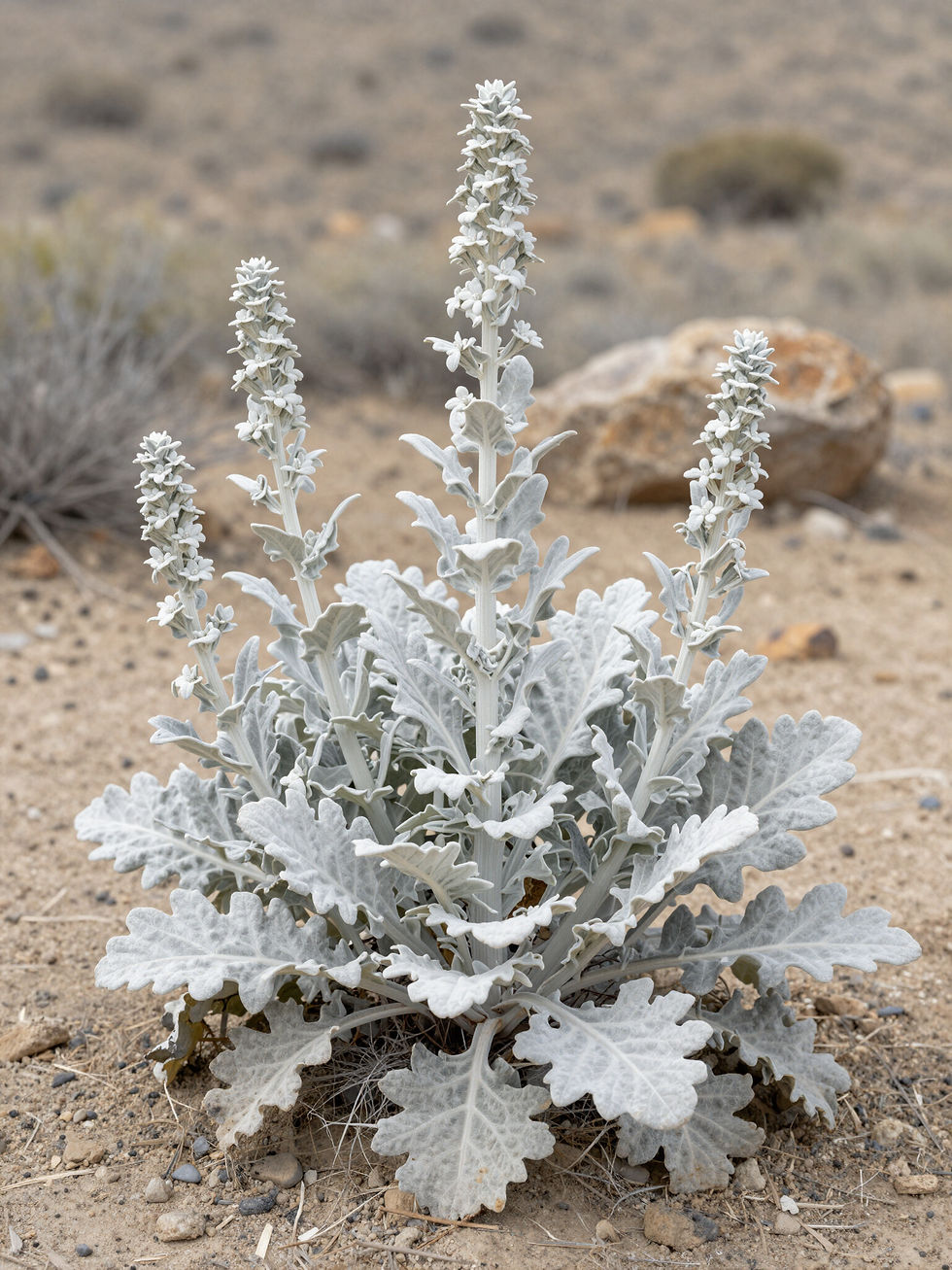
White Sage
Resilient Native

Toyon Berry
Wildlife Habitat

California Lilac
Low Water
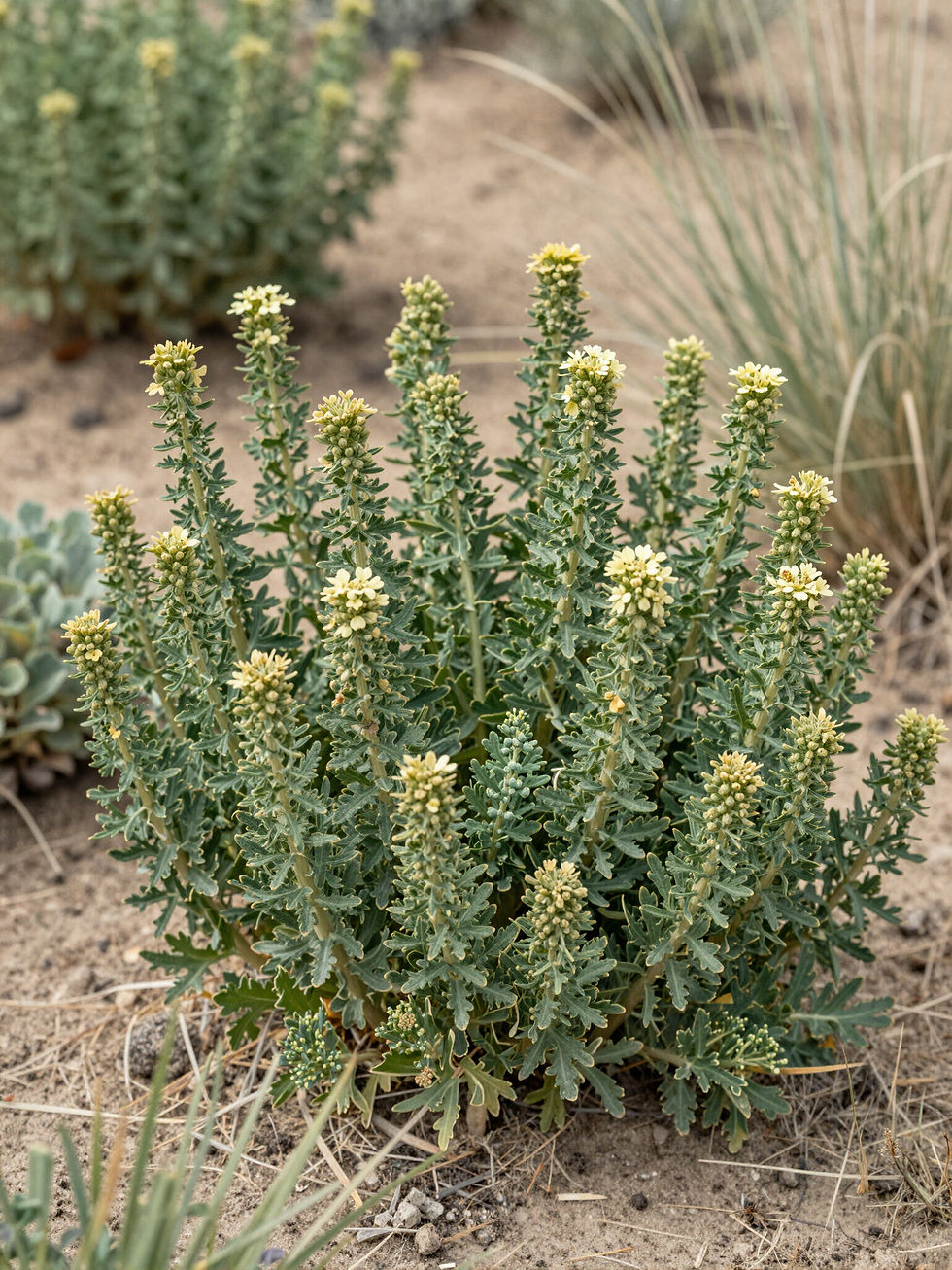
Deergrass
Erosion Control

Soil Preparation
Native plants thrive in soils that mimic their natural habitat. For drought-resistant species, prioritize drainage over high nutrient content. Avoid heavy tilling to preserve the delicate fungal networks that support water-wise growth. Incorporating a light layer of local organic matter can jumpstart the transition from conventional lawn to resilient landscape.

Watering Logic
Timing is critical for establishing drought-hardy plants. During the first year, deep watering is required to encourage roots to grow downward into cooler, wetter soil layers. Once established, many native species prefer seasonal watering cycles that mirror local precipitation patterns. Implementing drip irrigation or hand-watering at the root zone minimizes evaporation and keeps your garden hydrated with less resource.

Maintenance Rhythms
Water-wise gardening is less about pruning and more about protection. Use local mulch to keep soil temperatures stable and suppress weeds. Leave seed heads during the fall to provide habitat for local pollinators, and only prune dead wood when necessary. This light-touch stewardship ensures the health of your planting while significantly reducing your monthly outdoor maintenance time.