Plant a Native Berry Garden: Grow Food, Support Wildlife, Pollinators, & Build Community

Updated: Sep 25

Food for your kitchen. Habitat for wildlife.
There’s a moment somewhere between your first bloom and your first handful of berries when something shifts.
Your yard stops feeling like something you maintain and starts feeling like something alive. Not just plants. Not even just a garden. A community.
This Land Knew How to Feed People
Long before lawns, sprinklers, or grocery stores, the Mountain West fed people in a very different way.
Tribes like the Shoshone, Ute, and Paiute moved with the seasons—following food across the land.
And berries were essential.
Harvested fresh in summer
Dried and stored for winter
Used in trade, medicine, and ceremony
These weren’t just plants.They were part of a living system that worked.
When you plant native berries today, you’re not starting something new you’re restarting something ancient.
Why a Berry Patch Changes Everything
A single berry shrub is nice.
But a berry patch—planted in community—does something remarkable:
Feeds pollinators in spring
Feeds birds in summer and fall
Supports butterflies and beneficial insects
Builds soil and holds water
Feeds you (jams, muffins, syrups, cocktails, dried fruit…)
And in high Mountain West; Utah, Colorado, Wyoming, Montana?
Uses far less water
Thrives in local soils
Needs less maintenance over time
Start With the Right Berries (Native All-Stars)
These are your anchor plants—the heart of the system.

Sweet, blueberry-like berries. Beautiful year-round.
Water: Low
Size: 10–15 ft
Light: Sun–part shade
Soil: Adaptable
Muffins. Jam. Fresh eating.
A compact version—perfect for smaller yards.
Size: 4–6 ft
Same great fruit, smaller footprint

Rich, tart-sweet flavor—high mountain favorite.
Water: Low
Size:
3 to 4 feet tall in full sun
6 to 8 feet in deep shade
Light: Sun–shade
Soil: highly acidic (pH 4.5 to 5.5), rich, and fast-draining soil.
Muffins. Jam. Fresh eating.
Perfect for syrups, pies, cocktails
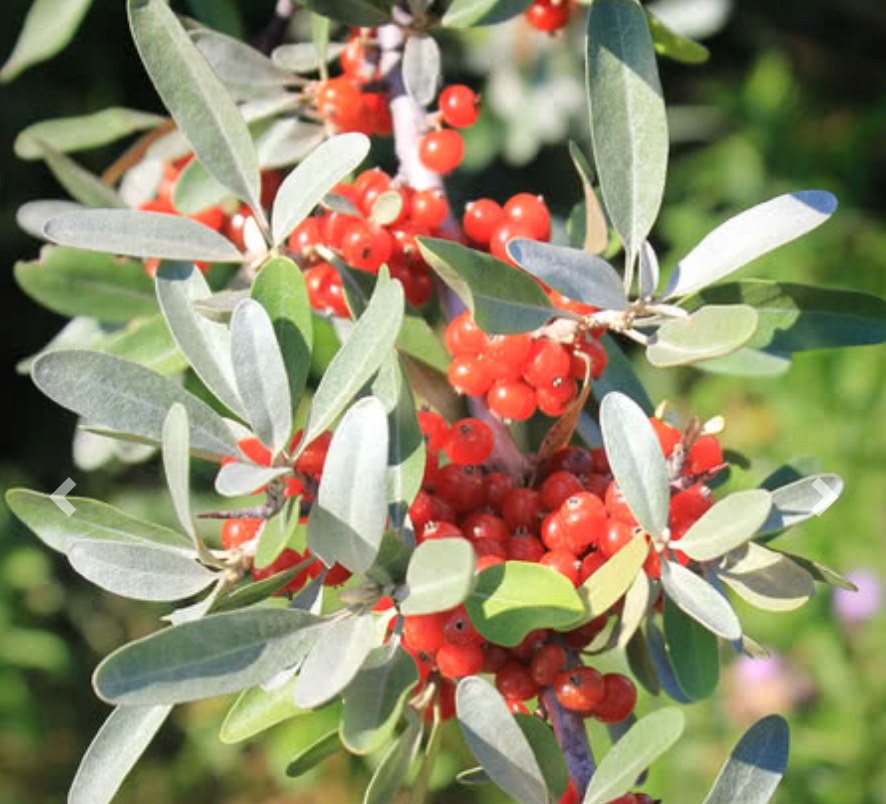
Tough, drought-hardy, and incredibly resilient.
Water: Low (1/2" every 10-14 days) to Moderate (1/2" every 7-10 days)
Size: 6 - 12' tall and 6 - 10' wide
Bloom Season: April
Hardiness Zone: 3 - 6
Light: Full Sun
Soils: Does best in well-drained soil, but tolerates sand, loam, or clay soils.
Great for sauces + wildlife habitat
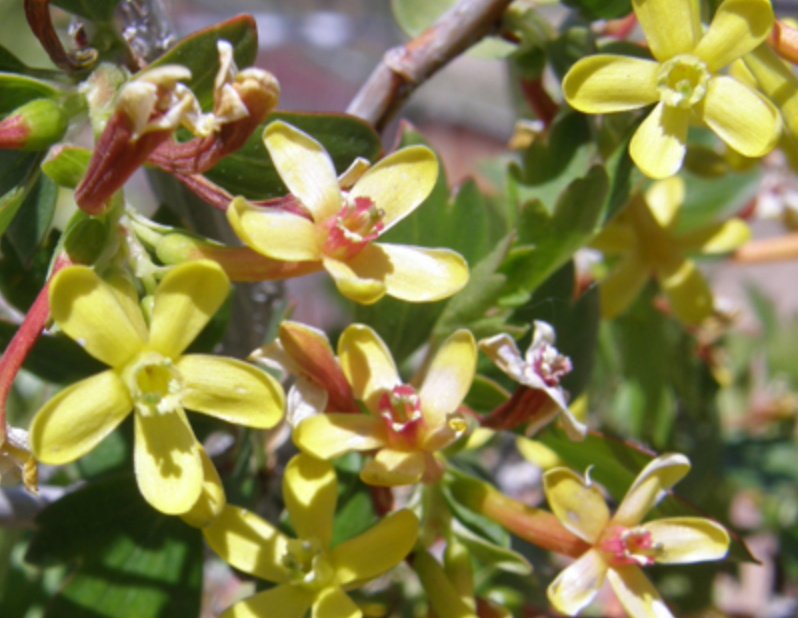
Fragrant blooms, versatile fruit.
Water: Low
Light: Sun , Part Shade
Soil: Dry , Moist
Drought Tolerance: High
Soil Description: Moist to drier soils.
Jam, juice, fresh snacking

Low-growing evergreen groundcover.
Water: Low after established.
Light: Sun , Part Shade , Shade
Soil Moisture: Dry , Moist
Soil pH: Acidic (pH<6.8)
Drought Tolerance: High
Cold Tolerant: yes
Heat Tolerant: yes
Soil Description: Rocky or sandy, acid soils.

Blue Elderberry
Sambucus nigra L. ssp. cerulea (Raf.) R. Bolli
A powerhouse plant - big yields, huge ecological value.
Light: Sun , Part Shade
Soil: Moist, rich, rocky, well drained soils.
Size: To about 24 feet in height.
Warning: All parts except mature fruits are poisonous.
Syrups, tonics, wine
The Secret: Don’t Plant Them Alone
Here’s where most landscapes go wrong:
They plant a shrub…and surround it with bark mulch.
Nature doesn’t work like that.
Plants grow in relationship.
Build a Berry Community (The Living System)
Instead of one plant, you create layers:
Shrubs (your berries)
Food + structure
Pollinators
Penstemon, lupine, yarrow→ More bees = more fruit
Soil Builders
Prairie clover, sweetvetch→ Natural fertility
Native Grasses
Blue grama, little bluestem→ Deep roots = water + soil health
Groundcover
Kinnikinnick, wild strawberry→ Cool soil, hold moisture
A Simple Berry Patch Template (Anyone Can Do This)
Start with a 15 × 15 ft patch:
2–3 berry shrubs (centered, natural spacing)
Pollinator flowers around them
Grasses on the edges
Groundcover filling gaps
No rows.No rigid structure.
Just a living pattern.
Why This Works So Well in Arid Mountain Areas
This system:
Holds water in the soil (instead of runoff)
Keeps soil cooler in summer
Builds organic matter over time
Reduces irrigation needs dramatically
It mirrors how landscapes function in the Great Salt Lake basin—where every drop matters.
What Happens When You Get It Right
Give it a couple seasons and you’ll notice:
Bees arrive first
Then butterflies
Then birds
Then more plants start to fill in naturally
Your yard becomes part of something bigger.
And Then… the Harvest
This is where it gets fun:
Serviceberries → muffins + pancakes
Currants → jam + juice
Elderberries → syrup + wellness tonics
Huckleberries → cocktails + desserts
Food you grew.From plants that belong here.
Final Thought
Before lawns…before irrigation…before we disconnected from the land—
this place fed people.
It still can.
Plant a berry patch.Build a community around it.
And watch what comes back.


