Native Berry Patches Save Water. Grow Food.

Updated: May 3
There’s a moment, after your first bloom and when you pick your first handful of berries, when something magical happens. Your yard stops feeling like something you maintain, and starts feeling like something alive. It becomes a living community that provides food for not only you, but wildlide, and the soil. It is no longer an assoertment of plants or a garden, but something meaningful.
Why a Native Berry Patch Changes Everything
A single berry shrub is nice. But plants thrive in communities, much like humans. A berry patch, planted as a community, does something remarkable, it:
Feeds pollinators in spring
Feeds birds in summer and fall
Provides shelter for birds.
Supports butterflies, native bees, and beneficial insects
Builds soil and holds water
Feeds you and your human community
And in the Mountain West (Arizona, Colorado, Idaho, Montana, Nevada, New Mexico, Utah, and Wyoming) these native berry patches take on more significance because they are designed by nature to:
Have deep roots and once established thrive on very little water
Are adapted to local soils
Need less maintenance over time
This Land Knew How to Feed People and Living Beings
Long before lawns, sprinklers, or grocery stores, the land fed people in a very different way.
Tribes like the Ute, Shoshone, Paiute, Goshute, and Navajo moved with the seasons—following food across the land. Berries were essential and were:
Harvested fresh in summer
Dried and stored for winter
Used in trade, medicine, and ceremony
These weren’t just plants.They were part of a living food system that provided for living beings. When you plant native berries today, you’re not starting something new—you’re restarting something ancient.
How to Start? Select the Right Berries (Mountain West Native All-Stars)
Native berry plants are your anchor, the heart of the system. These plants are available through groups like Cache Valley Native Plants, and other native growers.

Sweet, blueberry-like berries. Beautiful year-round. Eat them fresh. Dry them. Make jam. Use them in muffins, for cocktail syrups, or juice.

Irrigation: Low
Mature Size: 10–15 ft
Spacing: 6–10 ft
Bloom Color: White
Bloom Season: Spring
Hardiness Zone: 2–7
Light: Sun to part shade
Deer Resistant: Moderate
Salt Tolerant: Low–moderate
Soil: Well-drained, adaptable
Learn from the experts on how to grow Saskatoon Serviceberries in your garden. Read the blog from Utah State University.
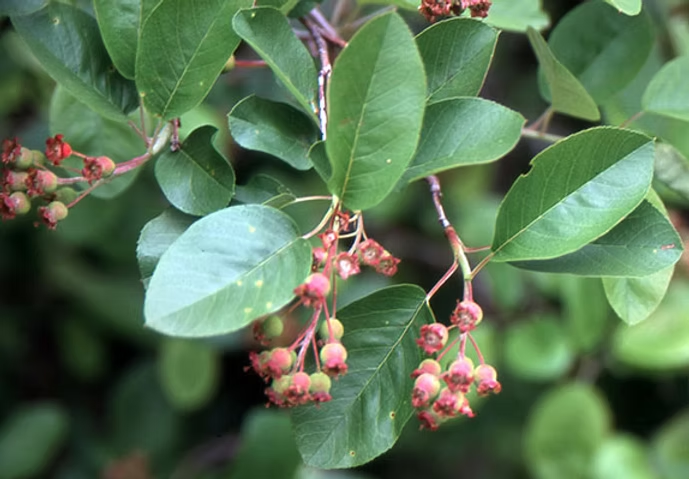

Small but mighty, Saskatoon Serviceberry ‘Regent’ packs big flavor into a compact form—sweet, blueberry-like berries on a tidy shrub that fits almost anywhere.
Turn them into everyday staples—bake them into breads, simmer into rich preserves, blend into drinks, or toss into salads for a bright, wild flavor.
Irrigation: Low
Mature Size: 4–6 ft
Spacing: 4–6 ft
Bloom Color: White
Bloom Season: Spring
Hardiness Zone: 2–7
Light: Full sun
Deer Resistant: Moderate
Salt Tolerant: Low–moderate
Soil: Well-drained
Learn more about the Serviceberry from the United States Department of Agriculture.


Mountain Huckleberry
Wild, bold, and a little untamed—this high-elevation berry packs a rich, tart-sweet punch. A fan favorite.
Irrigation: Low–moderate
Mature Size: 2–6 ft
Spacing: 3–5 ft
Bloom Color: Pink/white
Bloom Season: Late spring
Hardiness Zone: 3–7
Light: Partial shade to sun
Deer Resistant: Moderate
Salt Tolerant: Low
Soil: Acidic, well-drained
Learn how to grow huckleberries from the famous Dr. Barney at University of Idaho. Click here to access his publication that covers plant and growing site selection, starting plants at home, growing huckleberries in the garden or field, and numerous tips on how to domesticate this wild mountain berry.
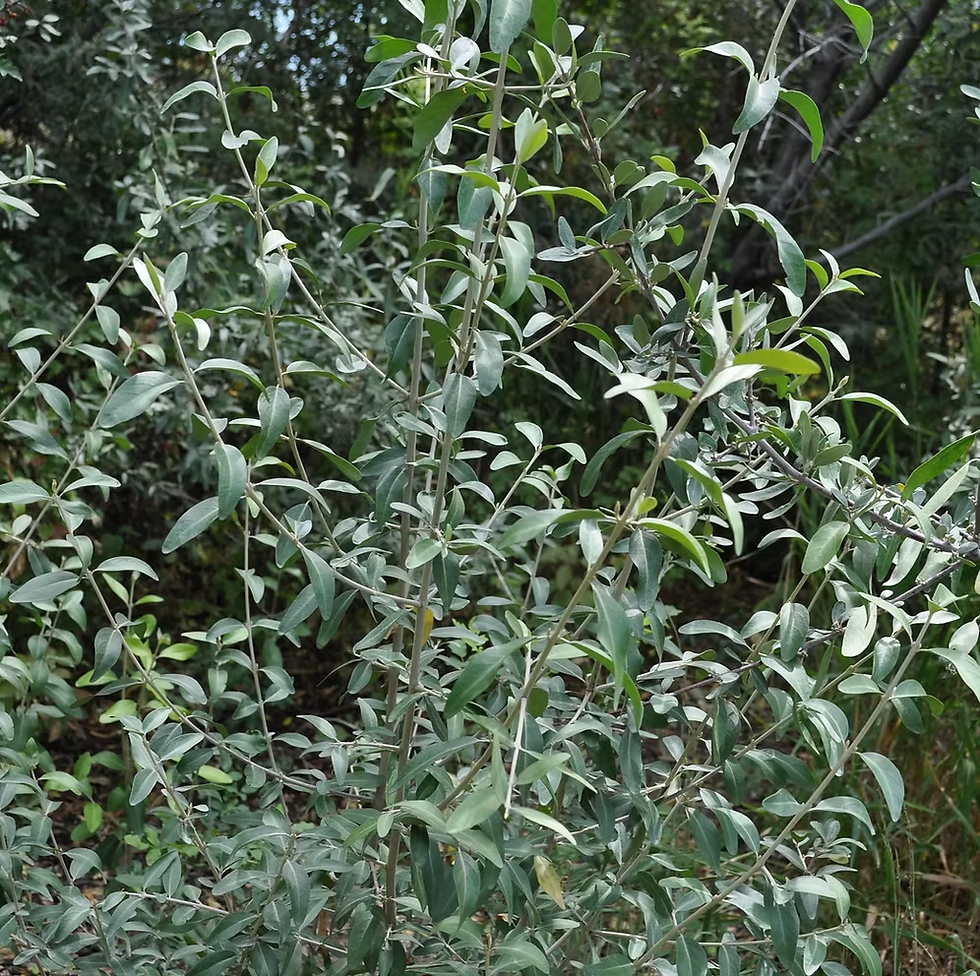
Extremely rugged, drought resilient, and quietly loaded with fruit—this one thrives where others give up. Silver buffaloberry is definitely edible—but it’s not a straight-off-the-bush snacking berry for most people. It’s tart, slightly astringent, and best when fully ripe or after a frost, which softens the flavor.
Irrigation: Very low
Mature Size: 10–15 f

Salt Tolerant: High
Soil: Poor, alkaline soils tolerated
Spacing: 6–10 ft
Bloom Color: Yellow
Bloom Season: Spring
Hardiness Zone: 3–7
Light: Full sun
Deer Resistant: High
Oregon State University suggest that it enjoys sun to part shade. It grows well in dry to moist well-drained soil, and is tolerant of alkaline soil. It can do well in poor soil because it can fix nitrogen.


Smells incredible, tastes even better. One of the most versatile berries out there. A crowd-pleaser from bloom to berry.
Irrigation: Low
Mature Size: 6–10 ft
Spacing: 4–6 ft
Bloom Color: Yellow
Bloom Season: Spring
Hardiness Zone: 3–8
Light: Sun to part shade
Deer Resistant: Moderate
Salt Tolerant: Moderate
Soil: Highly adaptable
From cool, flowing streambanks to sunbaked rock and even stark lava fields, Utah State University highlights this plant’s rare talent: it feels at home almost anywhere. Read more.


Evergreen groundcover and living mulch.
Irrigation: Very low
Mature Size: 6–12 inches tall
Spacing: 2–4 ft spread
Bloom Color: Pink
Bloom Season: Spring
Hardiness Zone: 2–7
Light: Sun to part shade
Deer Resistant: High
Salt Tolerant: Low
Soil: Sandy, well-drained
Kinnikinnick ‘Massachusetts’ may keep things low to the ground, but it’s buzzing with life. Its early spring flowers draw in a wide mix of bees—especially bumble bees that can slip right into those little bell-shaped blooms—while also attracting butterflies and even the occasional hummingbird. It doesn’t stop there: this plant pulls its weight behind the scenes too, supporting specialist moths and butterflies as a host plant. And because it blooms right when pollinators are just waking up, it’s like an early-season breakfast stop they can’t miss.Learn more at Montana's Field Guide
Blue Elderberry
A high-yield, high-impact plant for both people and wildlife.
Irrigation: Low–moderate
Mature Size: 10–20 ft
Spacing: 8–12 ft
Bloom Color: White
Bloom Season: Early summer
Hardiness Zone: 3–9
Light: Sun to part shade
Deer Resistant: Moderate
Salt Tolerant: Low
Soil: Moist, well-drained
The Secret: Don’t Plant Them Alone
Most landscapes fail here.
They plant a shrub…and surround it with bark mulch.
Nature doesn’t work like that.
Plants grow in relationship.
Build a Berry Community (The Living System)
Layer your planting like a natural system:
Shrubs (your berries)Provide food and structure
PollinatorsPenstemon, lupine, yarrowIncrease fruit production
Soil BuildersPrairie clover, sweetvetchNaturally add nutrients
Native GrassesBlue grama, little bluestemImprove water infiltration and soil health
GroundcoverKinnikinnick, wild strawberryProtect soil and retain moisture
A Simple Berry Patch Template
Start with a 15 × 15 ft area:
2–3 berry shrubs spaced naturally
Pollinator plants around them
Grasses toward the outer edges
Groundcover filling gaps
Avoid straight lines.Let it feel natural and connected.
Why This Works in Utah
This approach:
Captures and holds water in the soil
Reduces heat at the ground level
Builds organic matter over time
Reduces long-term irrigation needs
It aligns with how landscapes function in the Great Salt Lake basin, where water efficiency matters.
What Happens When You Get It Right
Over time:
Pollinators increase
Birds begin to visit and nest
Soil becomes darker and more fertile
Plants require less intervention
The system starts supporting itself.
And Then—the Harvest
Serviceberries for muffins and pancakesCurrants for jam and juiceElderberries for syrup and tonicsHuckleberries for desserts and cocktails
Food that comes from your own landscape.
Final Thought
Before lawns, before irrigation, before modern landscaping—
this land fed people.
It still can.
Plant a berry patch.Build a community around it.
And watch what returns.
If you want, next step I’d recommend is turning this into a one-page printable guide or visual diagram—this would be incredibly powerful for HOAs, workshops, and Eden Native Garden.


Comments